Narrative Short
ARTIFACTS
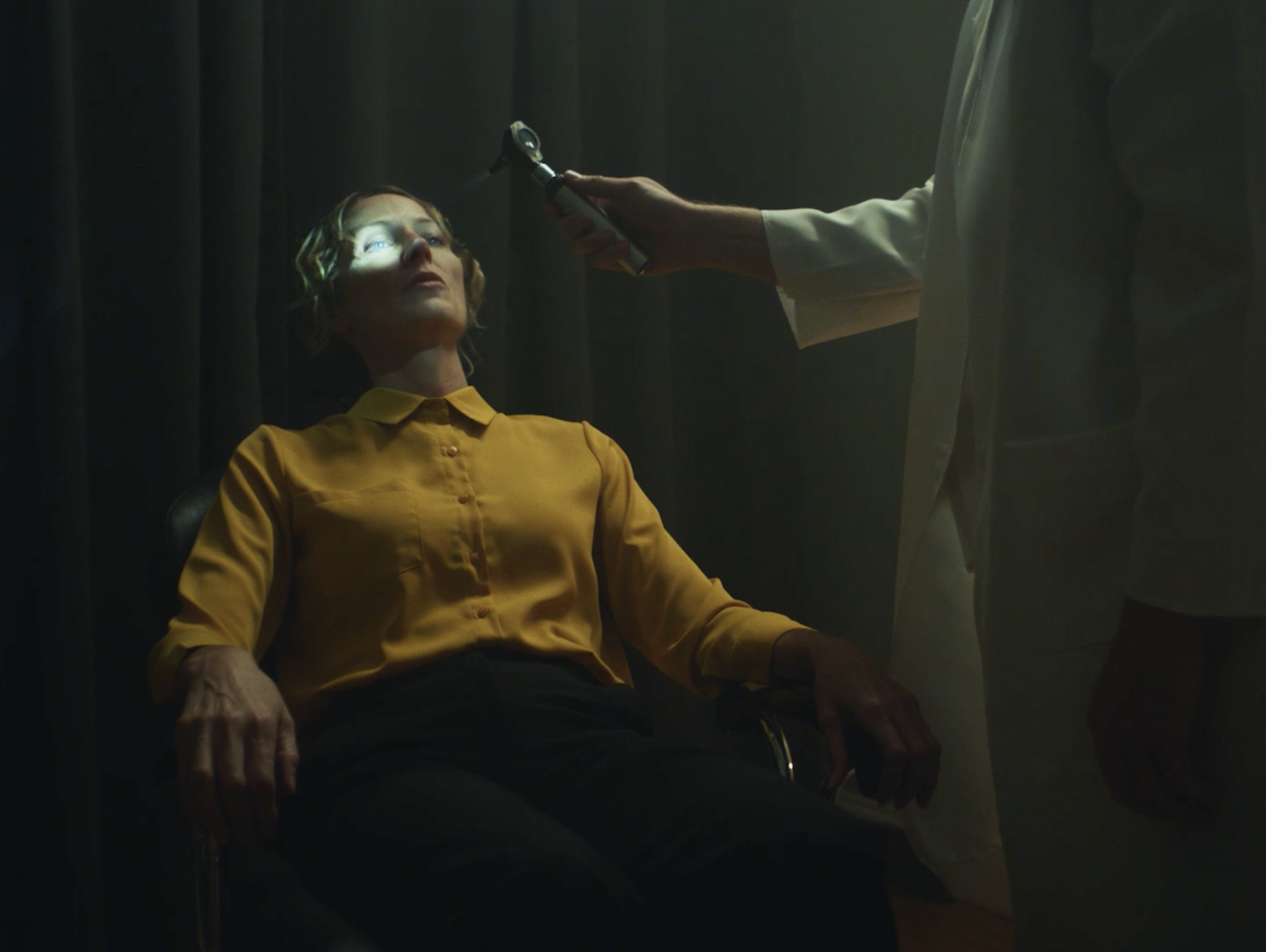
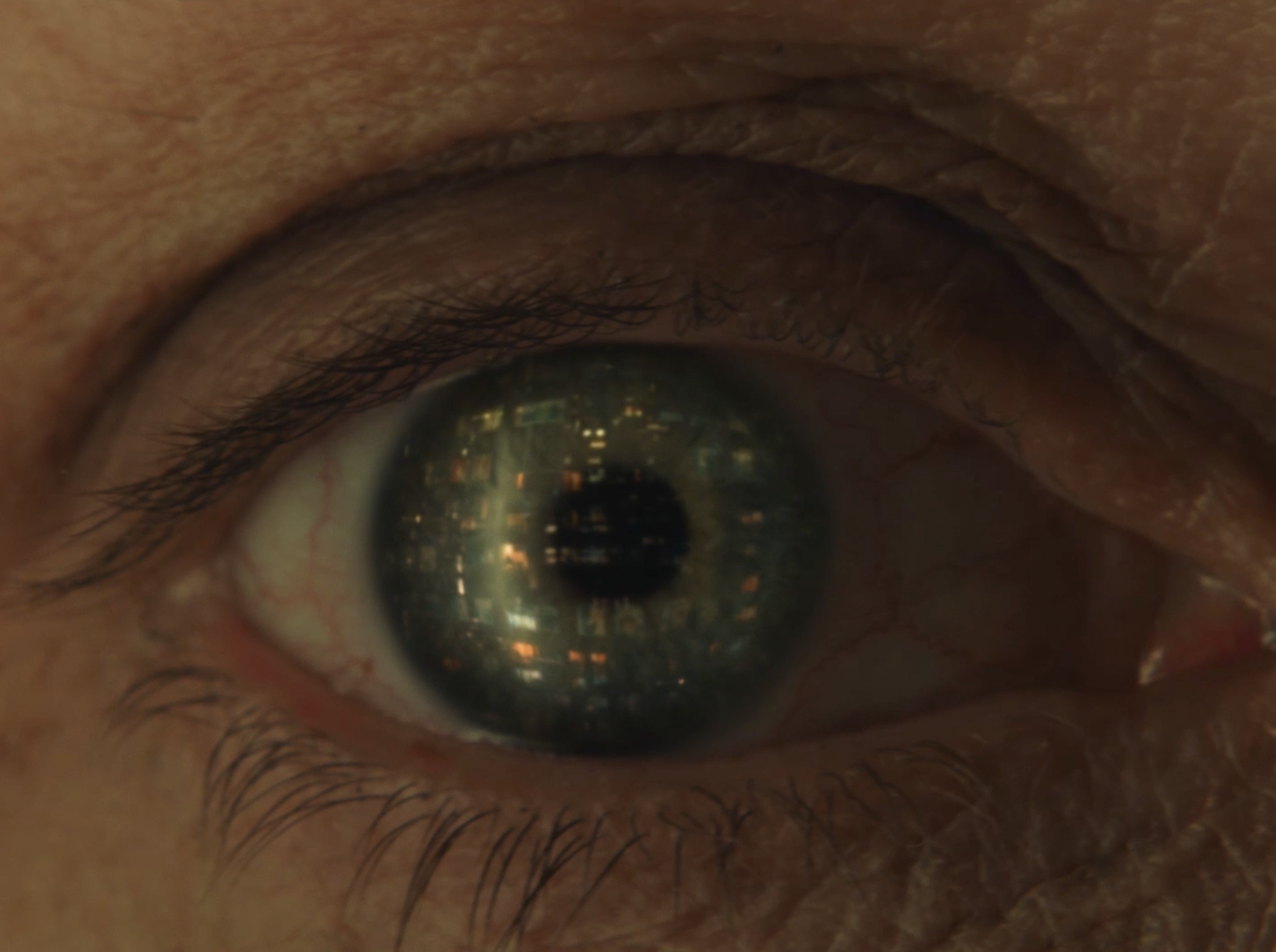
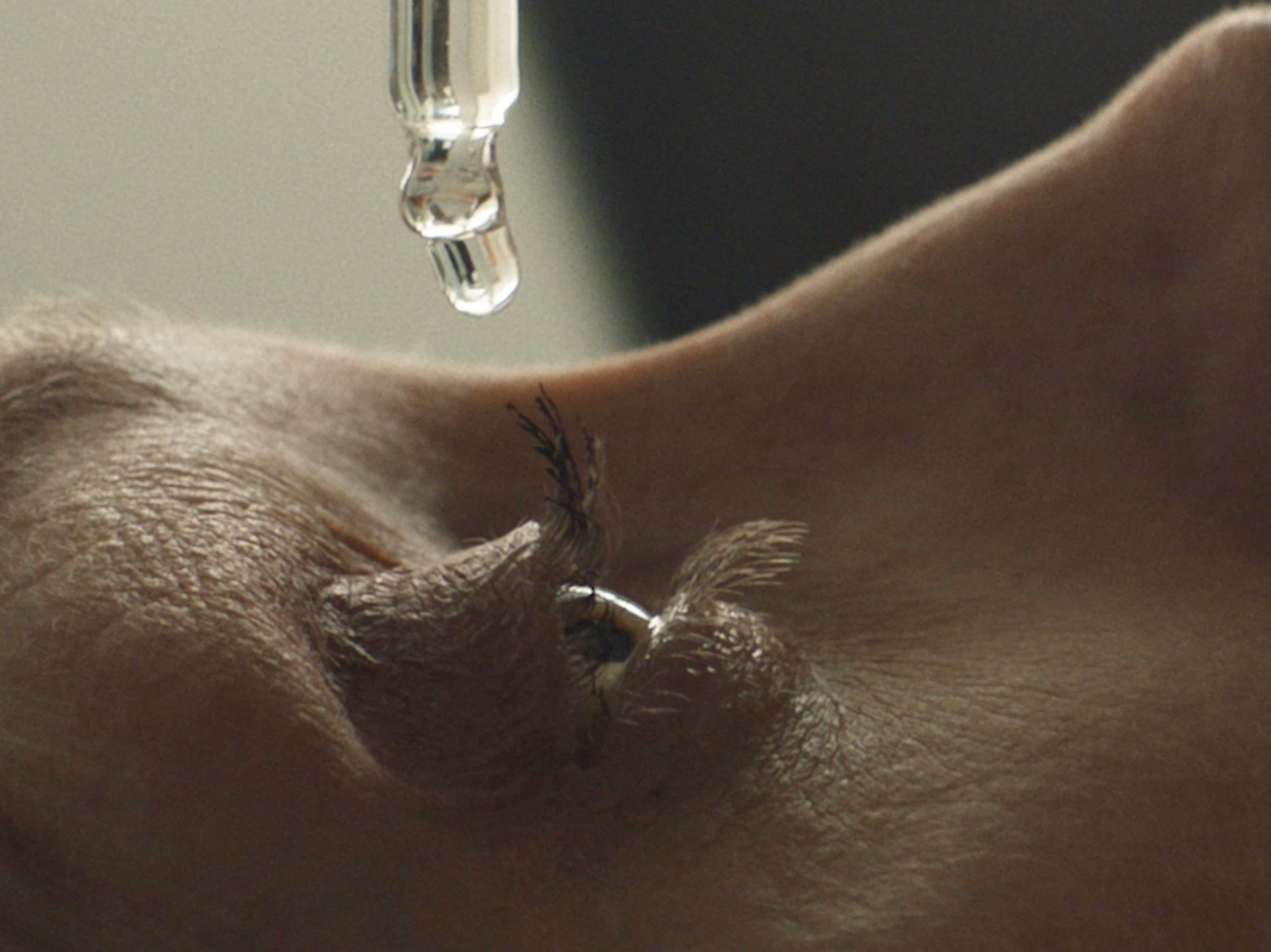
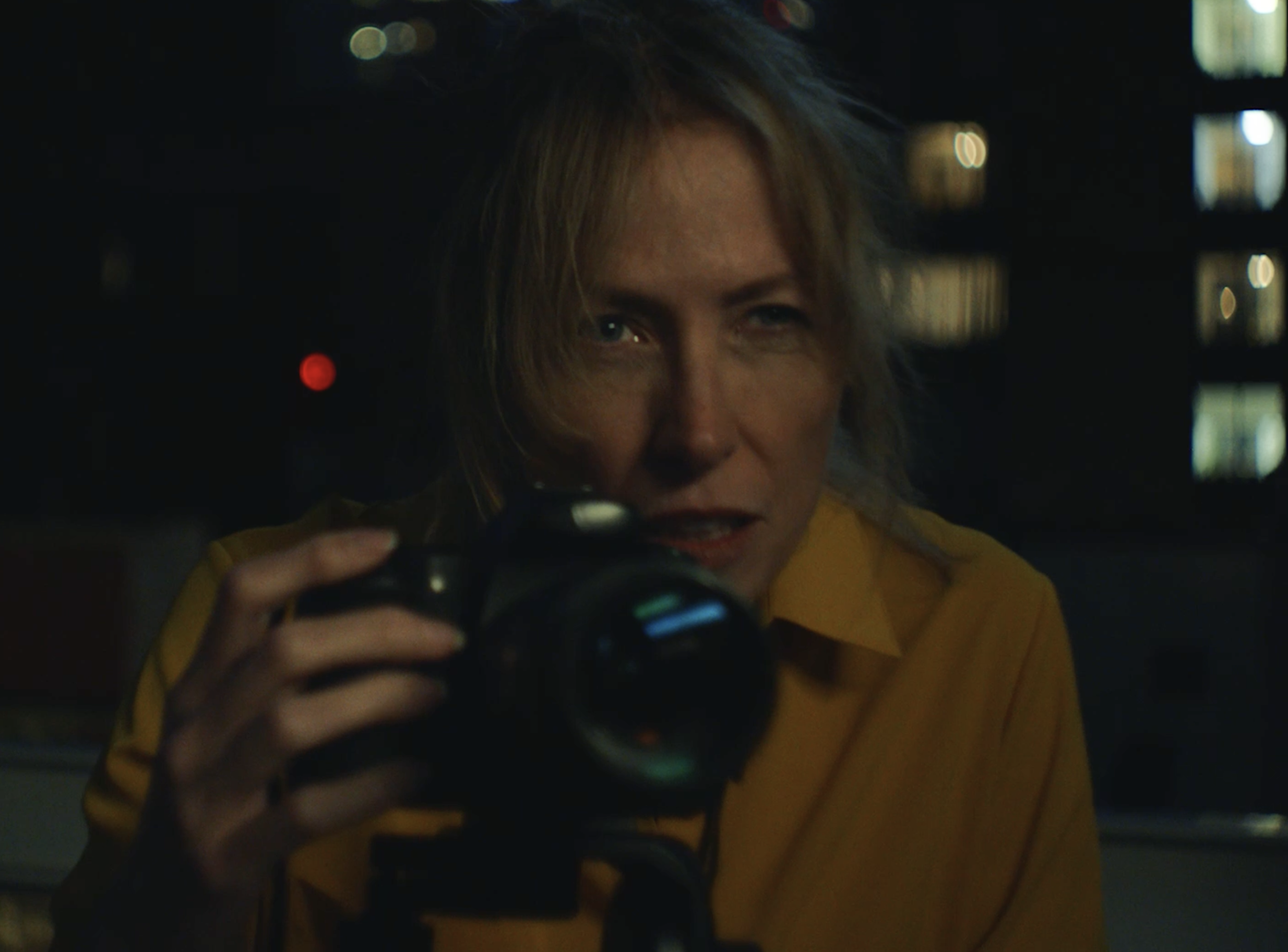
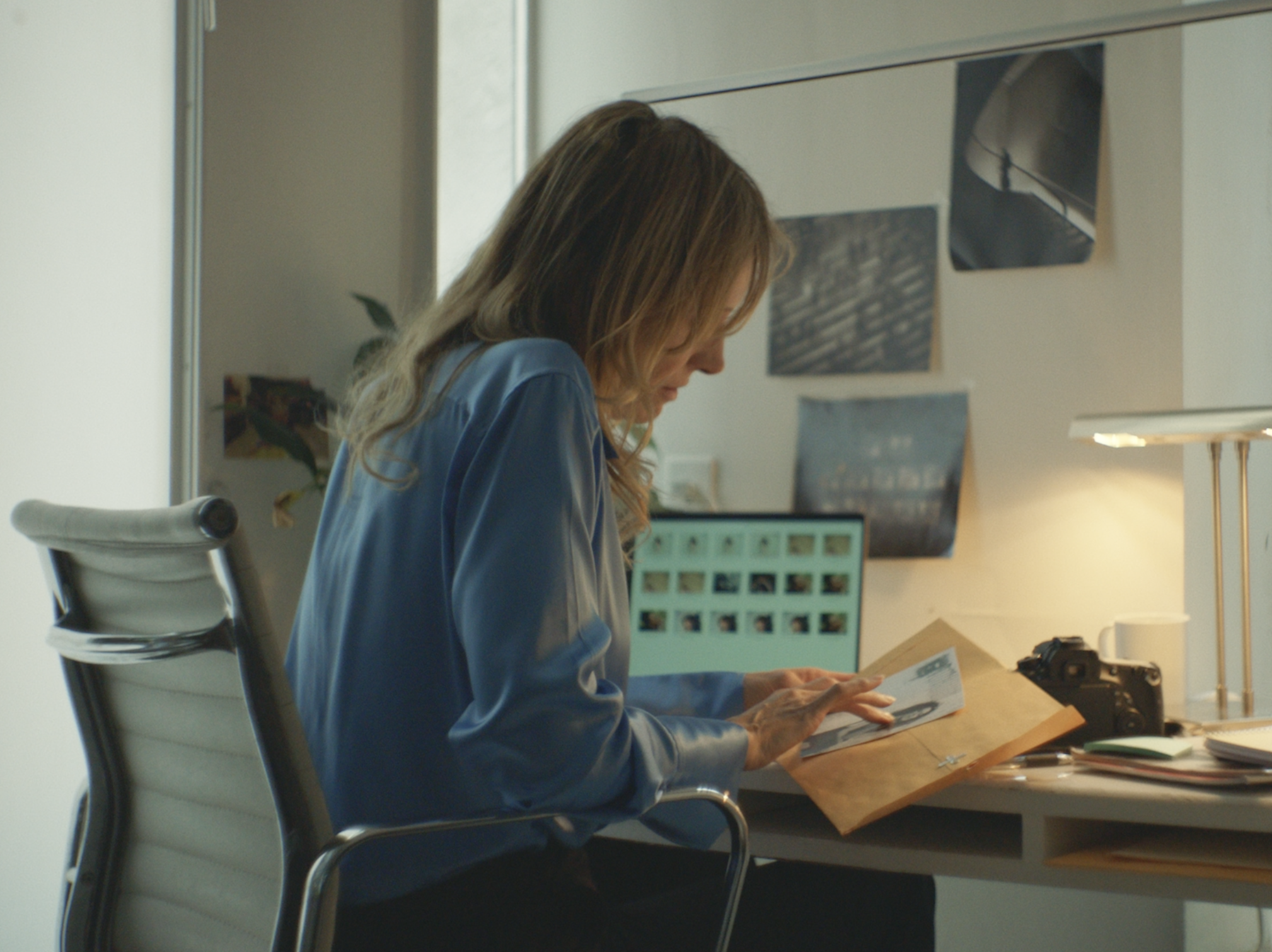
R, a photographer in New York City, is diagnosed with “Pixelated Vision,” a rare visual condition that alters her perception and daily life. Once confident in her career, she now struggles to reconcile her identity with a body that feels unreliable. In her solitude, she begins a nightly ritual: photographing a neighboring building, watching strangers through her lens, a distant form of connection in an increasingly fragmented world.
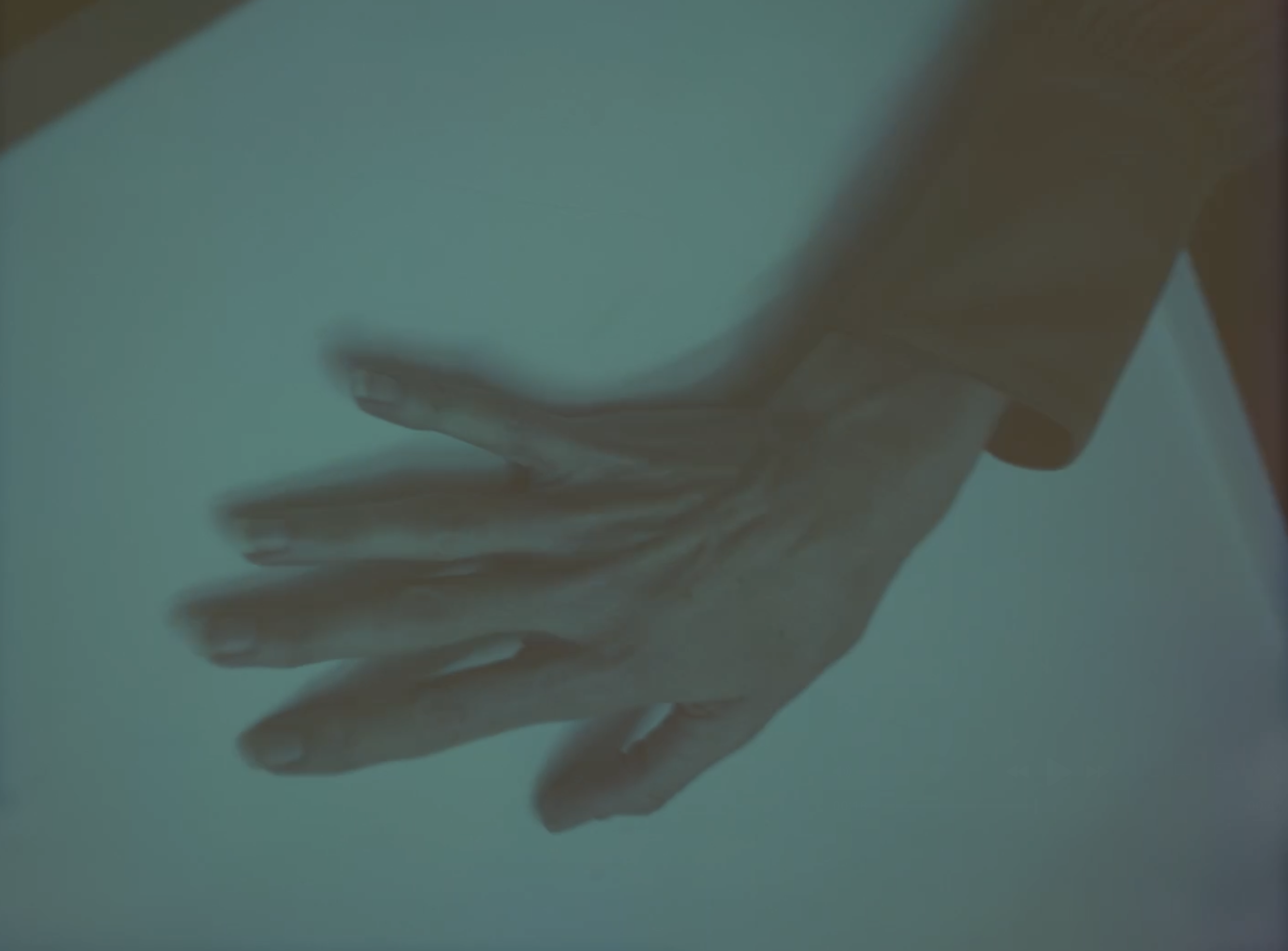
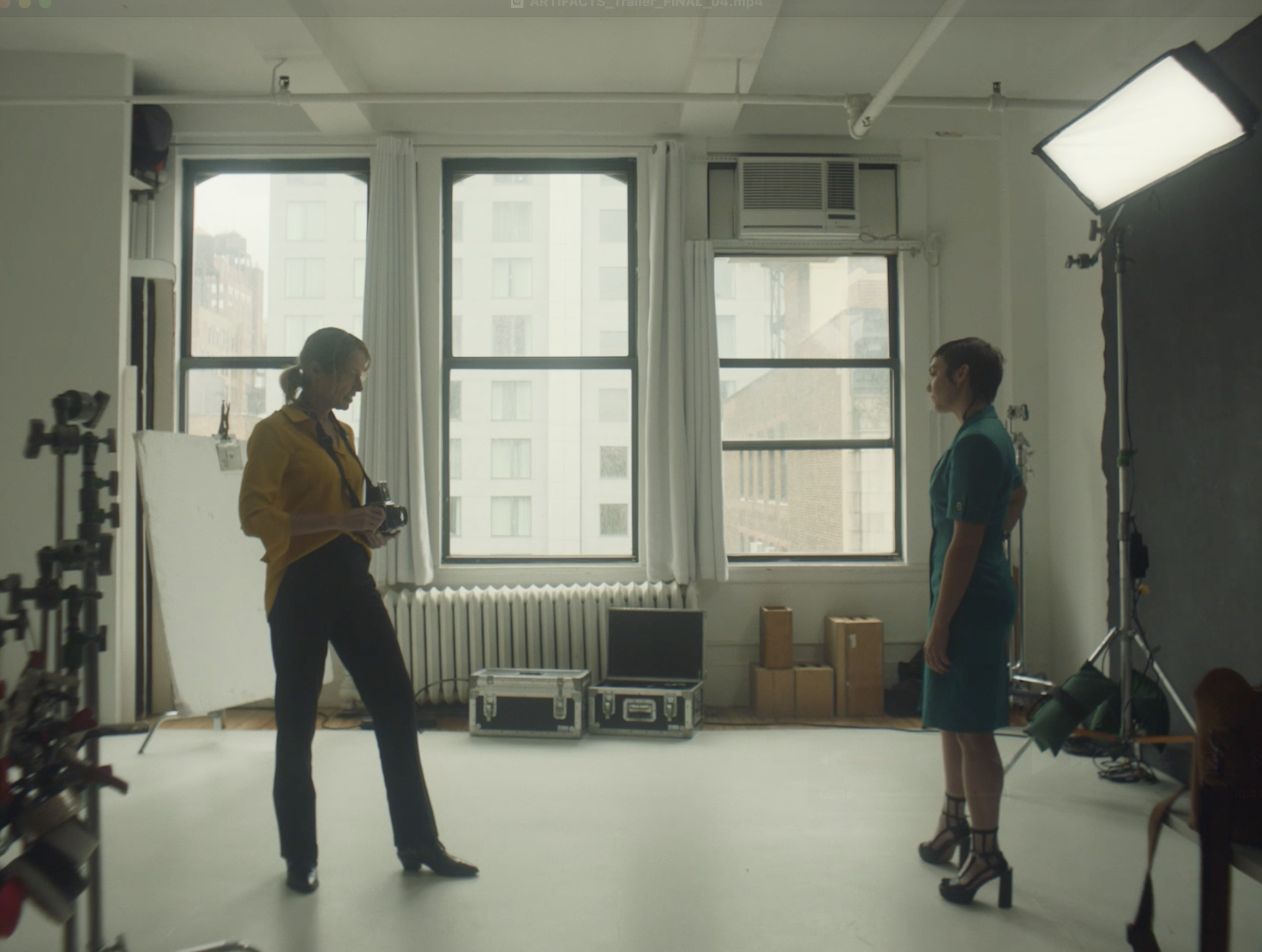
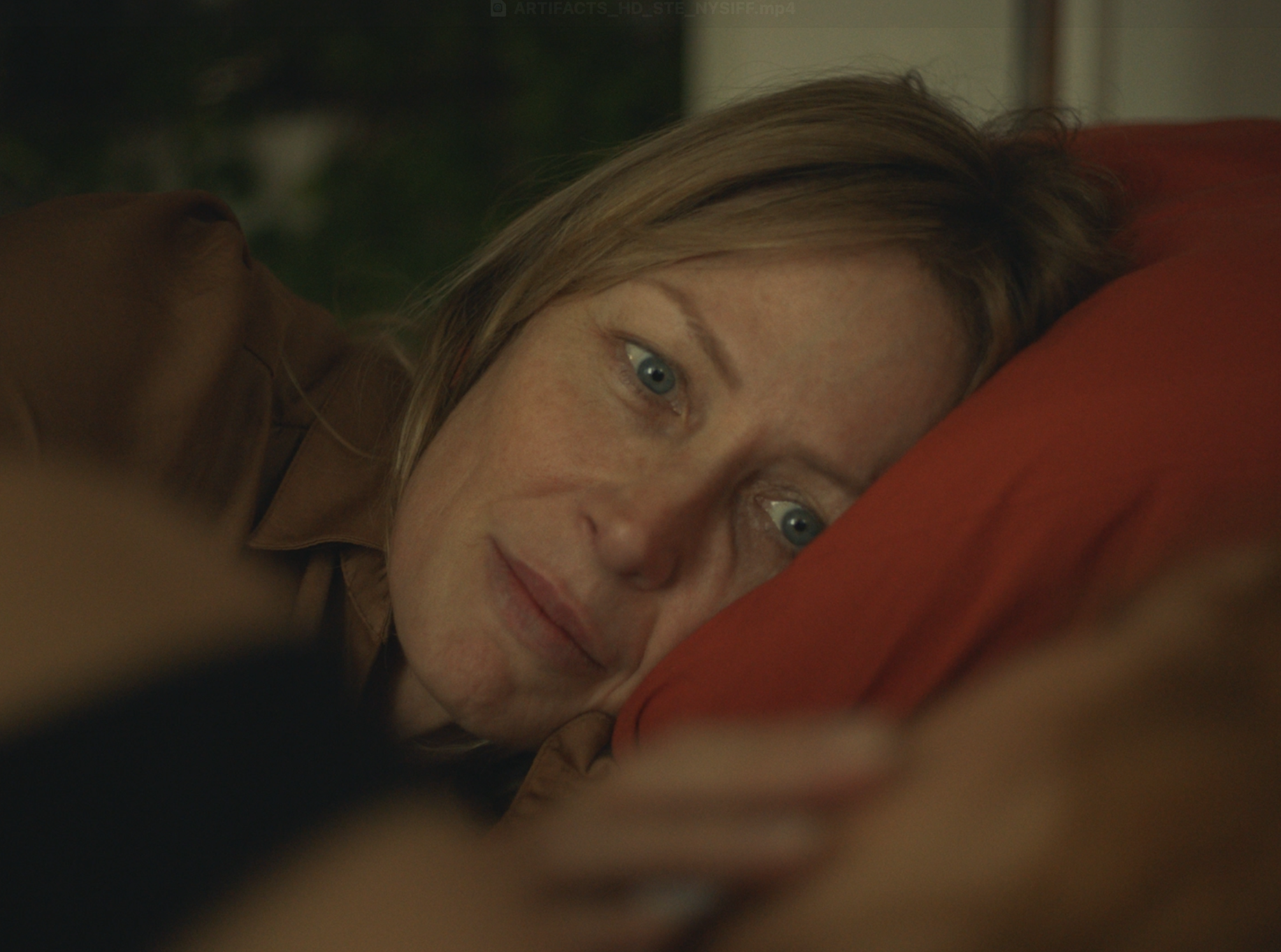
Alongside the progression of the illness, memories of a past relationship begin to surface. The presence of another woman appears as a vision of someone no longer there, intensifying longing and loss. Yet as the visible world fades, this internal image remains vivid.
A Rarekey Pictures Production
Starring - Regina Schneider
Writer, Director, Producer - Beatriz M Calleja
Produced by - Ashley George
Associate Producers - Shula Melamed, Alexandra Suppes
Director Of Photography - Alexa Wolf
Production Designer - Thomas Slattery
Sound Mix - Alberto Leon
Film Editor - Beatriz M Calleja
VFX - Outlanders VFX
Music- Tukico
ARTIFACTS | Official Trailer
DIRECTOR’S STATEMENT
ARTIFACTS began with a question I often return to: how do we connect to one another when our ways of seeing and communicating begin to feel unstable? I was drawn to the idea of following a woman whose life is quietly disrupted by a rare visual condition. Rather than treating the illness as a plot device, I wanted it to echo something more internal: the feeling of losing trust in one’s own perception, and the isolation that can follow. As her vision fractures, so does her sense of belonging in the world.
While developing the film, I was inspired by the writings of neurologist Oliver Sacks, particularly Hallucinations. His reflections on sensory disruptions opened a way of thinking about perception as something closely tied to memory, where past and present often overlap.
I imagined a character who relies almost entirely on sight for her work, and her sense of self and asked what happens when that faculty becomes unreliable. From this question emerged the idea of “Pixelated Vision,” a fictional condition inspired by the low-resolution, fast-paced imagery that surrounds us every day. Living in New York City, I’ve always been fascinated by the endless grid of illuminated windows. The neighboring building becomes a mosaic of partial stories that the protagonist observes through her camera. The camera offers a way to remain connected while keeping distance, reflecting my own ambivalence toward contemporary forms of communication. We are constantly exposed to one another’s lives yet often struggle to feel truly seen. Within this landscape, the memory of a past relationship emerges as imprint shaping how the protagonist sees, remembers, and endures. As a queer female visual artist, I draw from my ongoing exploration of women navigating aging, loneliness, desire, and the fragile ways love and memory persist as they begin to slip from view.